
Management of Uterine Fibroids
Uterine fibroids, also known as leiomyomas or myomas, are the most common gynecologic tumor in women of reproductive age, affecting approximately 30 to 40 percent of premenopausal females. The prevalence increases with age, with an estimated 70 to 80 percent of women...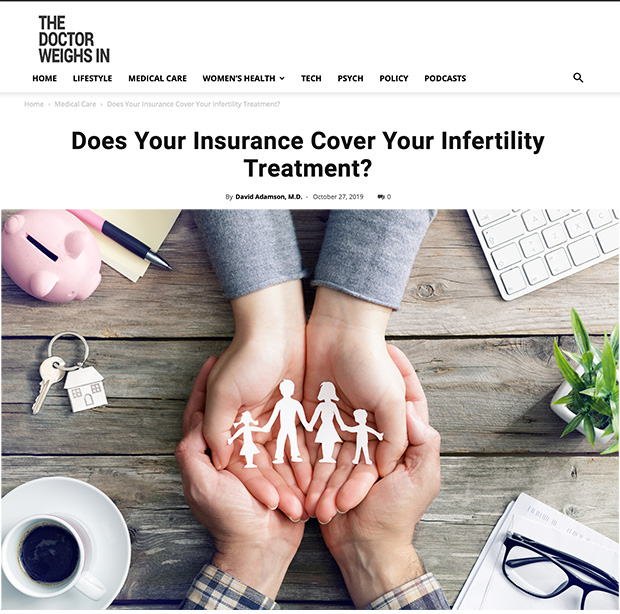
Does Your Insurance Cover Your Infertility Treatment?
By now, you’ve probably read that insurance coverage for treating infertility doesn’t come close to matching the coverage for treatment of other major medical conditions. In the past, the stated reasons for this difference included gender inequities and incorrectly...
Problems with Sleep? You Might Have Problems with Fertility, Too
There’s a long list of “lifestyle” factors that we know can affect the fertility of both women and men. From weight to smoking to stress, you can now add lack of sleep to the list. Sleep disorders likely increase the risk of infertility for both sexes. According to...
Can Personalized Medicine Help with Infertility? Yes, in Time
Much has been written about how personalized medicine – also known as “precision medicine” – may improve treatment for serious health conditions including cancer, heart disease and auto-immune disease. Based on an individual’s genetic makeup (and more) it may be...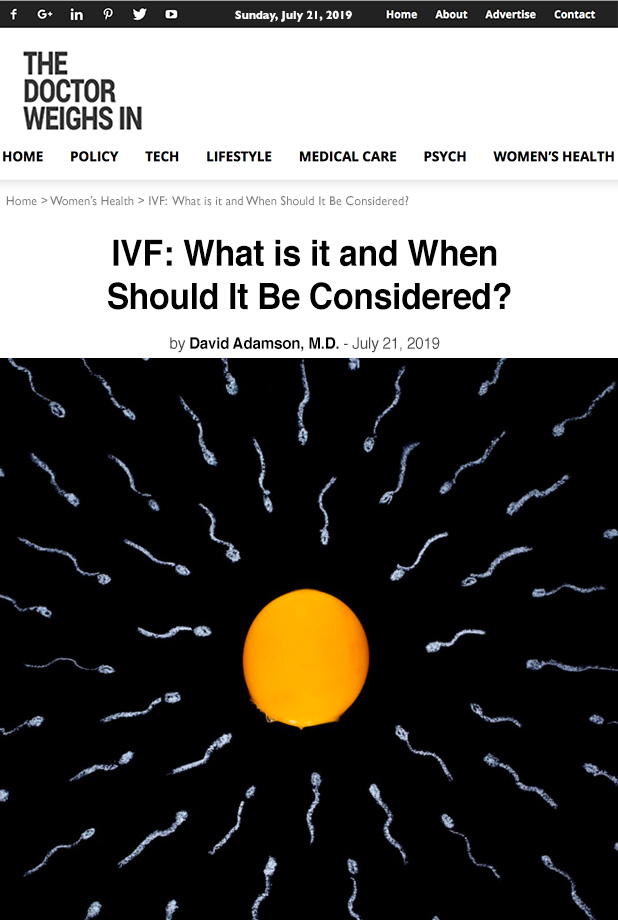
IVF: What is it and When Should It Be Considered?
IVF is much more successful than intrauterine insemination, another commonly used fertility procedure. Unlike IUI, it can help treat almost any type of infertility problem. In vitro fertilization, also known as IVF, is a common infertility treatment that involves...Criteria for Ovarian Tissue Banking
Age: under 41 yearsOvarian function: premenopausal by FSH, antral follicle count or AMHCommunication with oncologists: cancer treatment plan, prognosisWhen embryo freezing or oocyte freezing is not indicated: delaying cancer treatment is not acceptable, hormonal...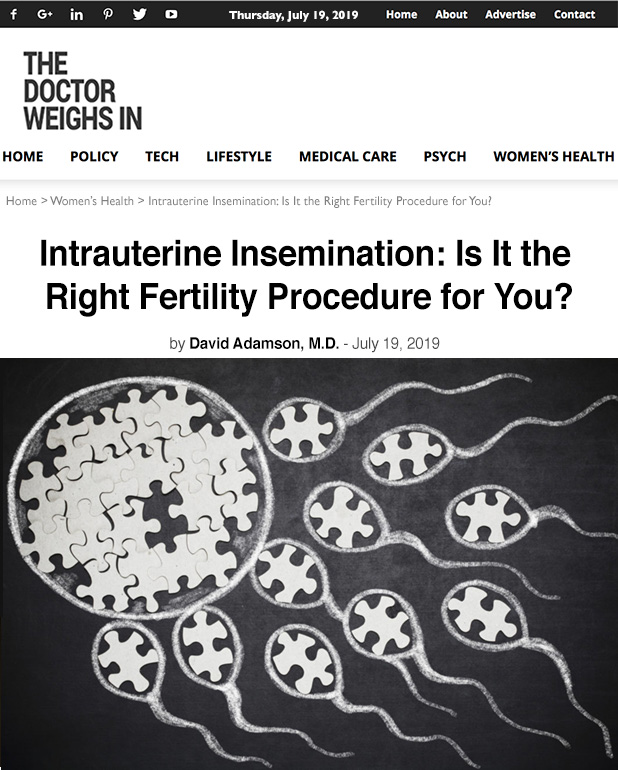
Intrauterine Insemination: Is It the Right Fertility Procedure for You?
Intrauterine Insemination — a fertility procedure in which sperm are placed directly into the uterus using a catheter passed through the cervix-is the right choice for some. Here’s why. Everyone’s heard of IVF, but what is IUI? It’s “intrauterine...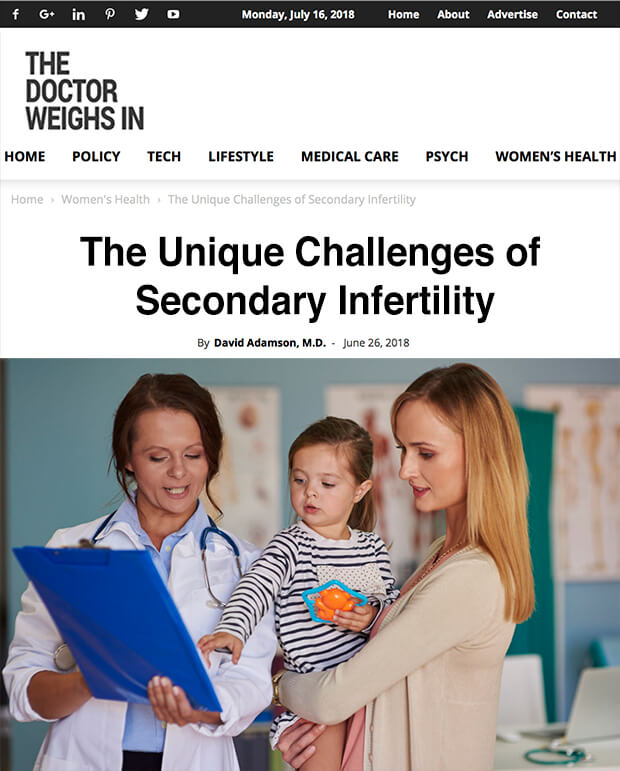
The Unique Challenges of Secondary Infertility
Secondary infertility is the inability to establish a clinical pregnancy after a previous pregnancy whether or not there was a live birth. It affects nearly 3 million couples and accounts for 1/3 of visits to a fertility specialist. You may be well-informed about a...
There Are Many Different Paths Forward for LGBTQ Family Building!
Wanting to have children is a desire that transcends diverse backgrounds: partnered, single, gay, lesbian and transgender. And, today, advanced reproductive technology (ART) helps many attain that dream. For gay male couples, approaches include donor eggs, in vitro...
Egg Freezing – What You Need to Know
Most people don’t know what is involved in egg freezing. Before pursuing this path to a delayed pregnancy, consider a discussion with a fertility expert. Egg freezing seems like the hottest fertility topic around right now. It’s hard to miss all the coverage on...Managing Polycystic Ovarian Syndrome
Managing PCOS: What You Can Do Affecting as many as five million women in America, polycystic ovary syndrome (PCOS) disrupts the menstrual cycle, which can lead to fertility issues. Caused by excessive testosterone and insulin, PCOS can produce various symptoms, such...
ARC Fertility Among Thirty Companies Recognized for Achievements During 2nd Annual Health Value Awards
PORTSMOUTH, N.H. (PRWEB) MAY 02, 2019 – Validation Institute, an independent, objective, 3rd party organization focused on changing healthcare, hosted the second annual Health Value Awards Sunday evening at the Marriott Wardman Park Hotel in Washington, D.C. The...Polycystic Ovarian Syndrome and Insulin Resistance
Introduction Polycystic Ovarian Syndrome (PCOS) is the most common endocrine abnormality in reproductive aged women affecting approximately 5-10% of this population. (NEJM 1995;333:853) The classic triad of this syndrome consists of chronic anovulation, hirsutism, and...
Infertility Coverage is Becoming an Important Employee Benefit
A number of employers have discovered that including robust infertility coverage in their health benefits package can help attract and retain employees. Fertility Uncovered is this year’s theme for National Infertility Awareness Week (NIAW, April 21-28). One of the...Polycystic Ovarian Syndrome: New approaches to an old problem.
Polycystic Ovarian Syndrome (PCOS) is the most common endocrine abnormality in reproductive-aged women affecting approximately 5-10% of this population. The classic triad of this syndrome consists of chronic ovulation dysfunction, hirsutism (male pattern hair...The ARC Fertility Program: Validation Institute 2019 Health Value Award Finalist
Spotlighting outstanding, value-based healthcare services Portsmouth, N.H. – March 7, 2019 – The Validation Institute is pleased to announce this year’s 85 Health Value Award finalists. In its second year, the Health Value Awards continues to recognize outstanding...- 2026 Benefits Planning: Fertility Benefits for Employees Should Be a Top Workforce Priority
 As employers plan for 2026, fertility benefits for employees are becoming essential. Learn why demand is rising and how ARC Fertility helps create a fertility-friendly workplace.
 - Supporting Mental Health in the Workplace During Fertility Treatment
 Fertility treatment can take a toll on employees’ mental health. Learn why mental health support during fertility treatment matters at work.
 - Heart Health & Fertility: Why Supporting Maternal Well-Being Protects Workforce Health
 Maternal health benefits for employees protect heart health, fertility, and workforce well-being. Learn why employers should act during Heart Month.
 - Closing Gaps in Black Maternal Health: How Employers Can Improve Care Access and Outcomes
 Black maternal health disparities remain a workforce issue. Learn how Black maternal health support for employees improves care access and outcomes.
 - Paternal Perinatal Depression: Why Employers Should Pay Attention
 Paternal perinatal depression affects many new fathers. Learn why employers should understand the signs and support mental health during early parenthood.