Infertility is without a doubt a life altering experience. From your self-esteem, to your plans and dreams for the...
Emotional Support for Infertility and Well-being
read more

Infertility is without a doubt a life altering experience. From your self-esteem, to your plans and dreams for the...

This month as we celebrate Pride, we also embrace diversity in families. Parents – and parents-to-be – come with all...
As more women are delaying childbirth and more baby boomers are reaching midlife, the problem of diminished ovarian...
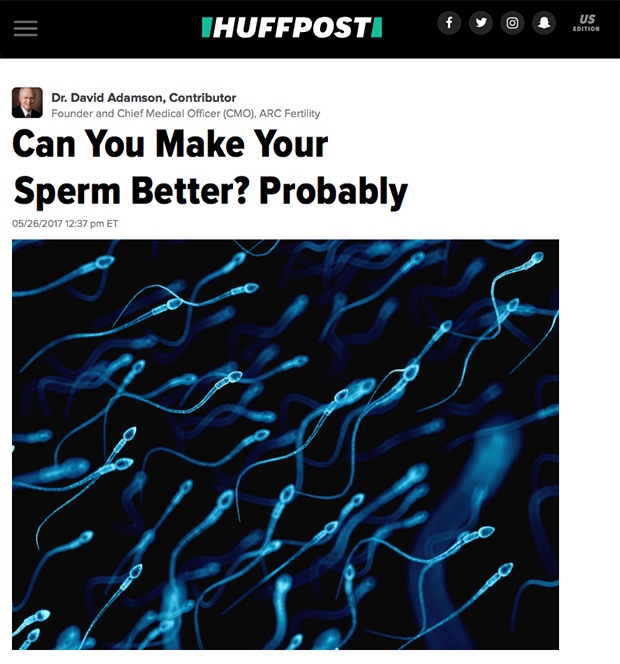
Everyone understands that healthy eggs and sperm are required to conceive, right? So, it shouldn’t be a surprise when...
Numerous studies have repeatedly shown that women athletes who have a low body mass index, (‘BMI’), have a difficult time starting a family. We have found with our patient population that a number of female athletes have a low BMI. This low BMI often translates into fertility problems. In fact studies have shown that approximately12% of infertility cases are due to being underweight or having a low BMI.
Body fat plays a significant role in reproduction. Sex hormones are fat soluble and they are stored in the body’s fat layers. Women that have a low BMI produce a reduced amount of estrogen which can lead to an abnormal menstrual cycle. Amenorrhea, or the lack of a menstrual cycle, is a result of a low BMI.
Ovulatory dysfunction is one of the most common causes of reproductive failure in subfertile and infertile couples. Since the first clinical trial was published in 1961, clomiphene citrate (CC) has been the front-line therapy for ovulation induction. Its use quickly expanded to other empiric indications, such as luteal phase defect and the enhancement of fecundity in unexplained infertility. Failure to respond to CC occurs in up to 20% of cases, which may then require the use of injectable gonadotropins. The drawbacks of this approach are its high cost (both for the medication and the extensive monitoring it requires), risk of the potentially life-threatening ovarian hyperstimulation syndrome (OHSS), and, perhaps most importantly, the significant risk of high-order multiple gestations. Clearly, an inexpensive yet equally efficacious oral alternative would be ideal. Recent research has focused on the successful use of aromatase inhibitors, mainly letrozole, for ovulation induction. The medical team at Georgia Reproductive Specialists has begun incorporating letrozole into treatment plans for appropriately selected patients.

If you need help getting pregnant these days, there’s an array of advanced techniques available to both diagnose and...
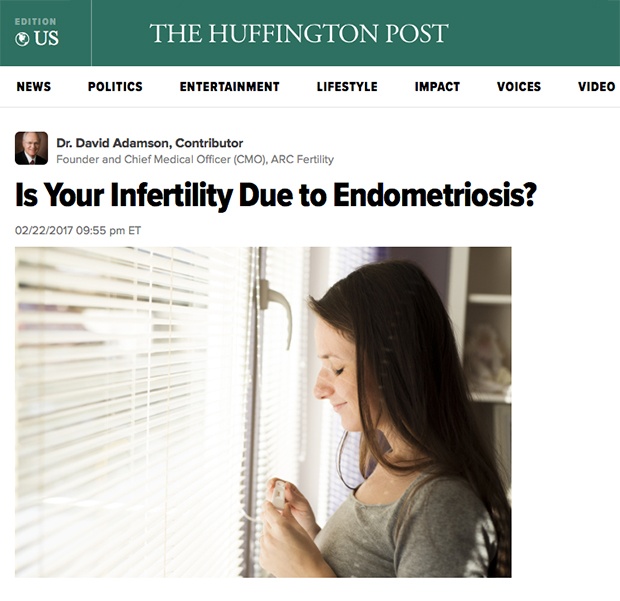
You’ve probably heard of endometriosis since more than 7 million American women - and 176 million women worldwide -...

How family friendly is your workplace? It depends on your perspective. If you and your partner are among the 1 in 8...
Ovulation is perhaps the single most important factor when trying to conceive. Women who have infrequent, irregular,...